

IAATO is a member organisation founded in 1991 to advocate and promote the practice of safe and environmentally responsible private-sector travel to the Antarctic.
For answers to these questions and more, visit our FAQs page. Can’t find what you’re looking for? Contact Us
Latest Articles

Safeguarding Antarctica: IAATO Responds to Research on Anchoring Impacts in the Southern Ocean
IAATO Members Mandate Acoustic Mitigation Measures to Protect Whales in Antarctic Waters

IAATO Reaffirms Commitment to Antarctic Ambassadorship with Update to Bylaws

IAATO Welcomes New Members at Annual Meeting
-

After 10 days of discussions on all things Antarctica, our IAATO delegation is saying goodbye to Milan 🇮🇹 today, as the 47th #AntarcticTreaty Consultative Meeting (ATCM) and the 27th Meeting of the Committee for Environmental Protection (CEP) draw to a close. Read our reflections in our latest blog: link in bio 📸 @d.zlobinski
-

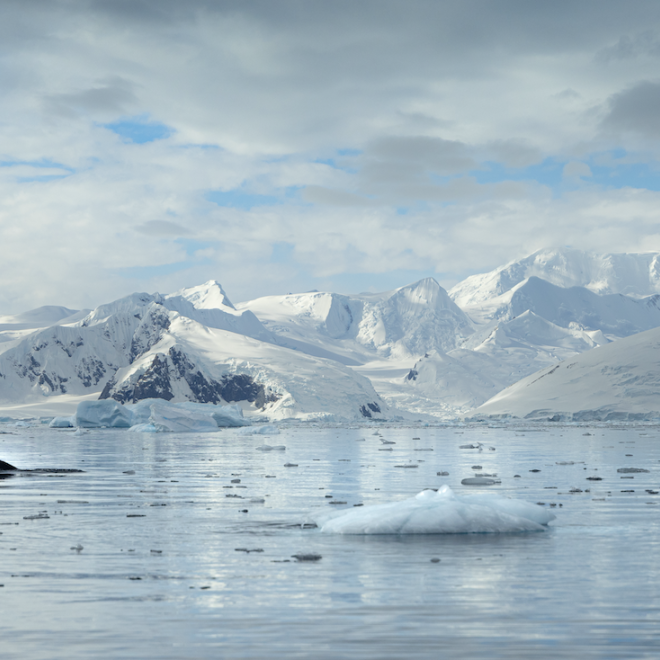
Antarctic #WordOfTheDay: BERGY BIT 🇦🇶 A bergy bit is a small to medium piece of floating ice that broke off from a larger piece and landed in the water. Generally, bergy bits are 1-5 metres above sea level and 5-15 metres long. 📸 @taiwan_traveler
-

Our delegation is at the 47th Antarctic Treaty Consultative Meeting and 27th Committee for Environmental Protection, which opened in Milan 🇮🇹 on June 23. IAATO has been an Invited Expert at ATCM since 1994, supporting Treaty Parties and other international partners in safeguarding the future of Antarctica through international cooperation and dialogue. #AntarcticTreaty #ATCM47 #CEP27 #EnvironmentalProtection #GlobalCooperation
-

The enthusiasm and commitment of our members have been central to IAATO’s journey. Equally vital, however, is the ongoing collaboration with the broader Antarctic community. Scientists, NGOs, local and national governments, and Antarctic Treaty members all contribute valuable expertise and insights and push us to grow and adapt. Their continued support not only challenges us but also empowers us to explore new ways to enhance our work, leveraging innovation and technology to meet the demands of a rapidly evolving world. 📸 @glr.photo #Antarctica #AntarcticTreaty #ResponsibleTourism