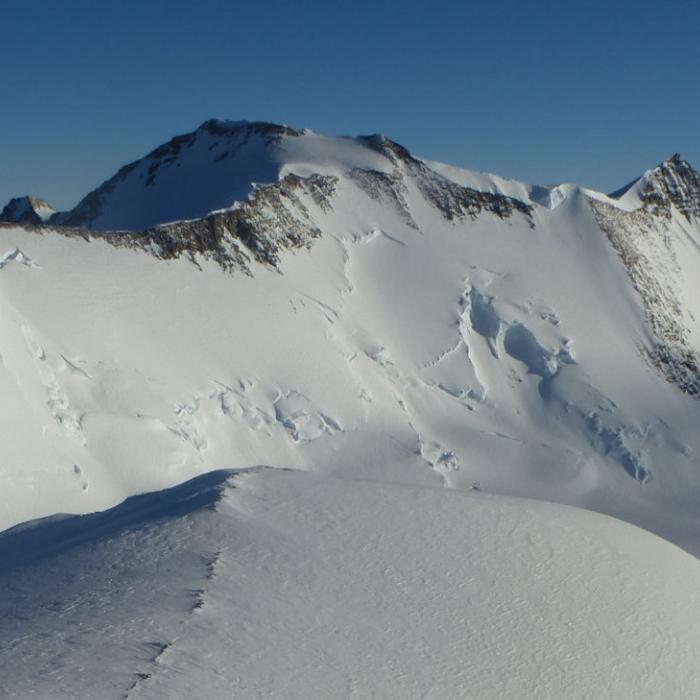
Celebrating Antarctica Day: Shaping Future Stewards
Every year on December 1, polar enthusiasts around the world come together to celebrate Antarctica Day, an international observance of the anniversary of the signing of the Antarctic Treaty in 1959.
Designated as a “natural reserve devoted to peace and science,” Antarctica symbolises international cooperation and scientific strides. It is because of the Antarctic Treaty System, including the Protocol on Environmental Protection to the Antarctic Treaty (the Madrid Protocol), that IAATO was founded in 1991 to advocate for and promote the practice of safe, environmentally responsible private-sector travel to Antarctica.
This Antarctica Day, we are highlighting the importance of youth engagement with ideas to empower young people at every age to explore the beauty and uniqueness of Antarctica. Sir David Attenborough once said, “No one will protect what they don’t care about; and no one will care about what they have never experienced.” By engaging youth at every stage of learning, we can help them experience Antarctica in ways that foster future generations of Antarctic Ambassadors.
Early Learners (ages 5-10): Imagination and Sparking Curiosity
A place of wonder, adventure, and otherworldly beauty, Antarctica is the perfect inspiration for activities and stories for children under 10. Our youngest learners thrive on curiosity and imagination, and at such a young age, we can support these forms of learning by connecting them to the natural world.
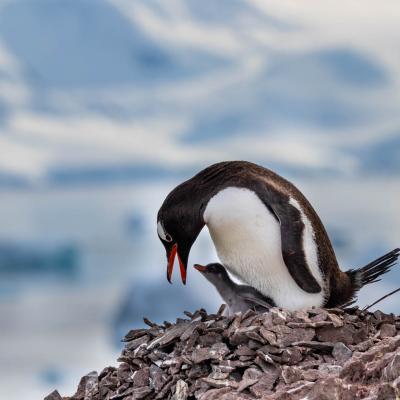
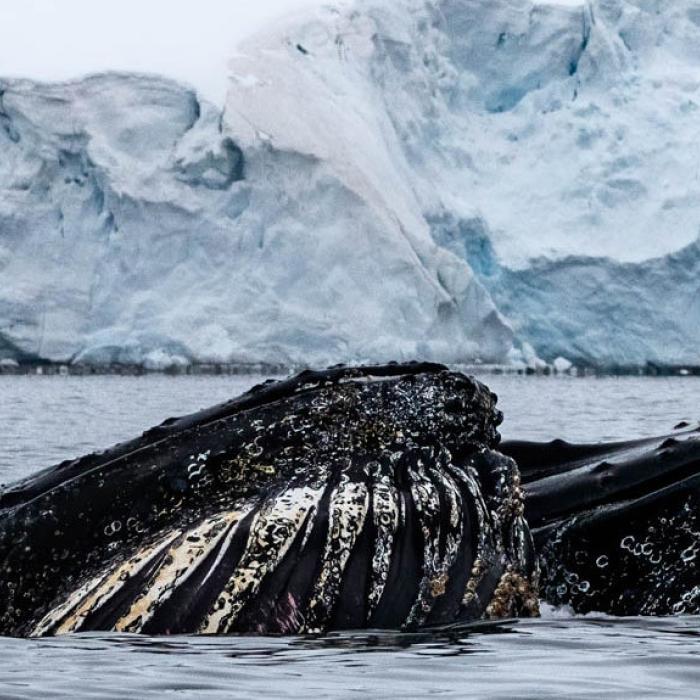
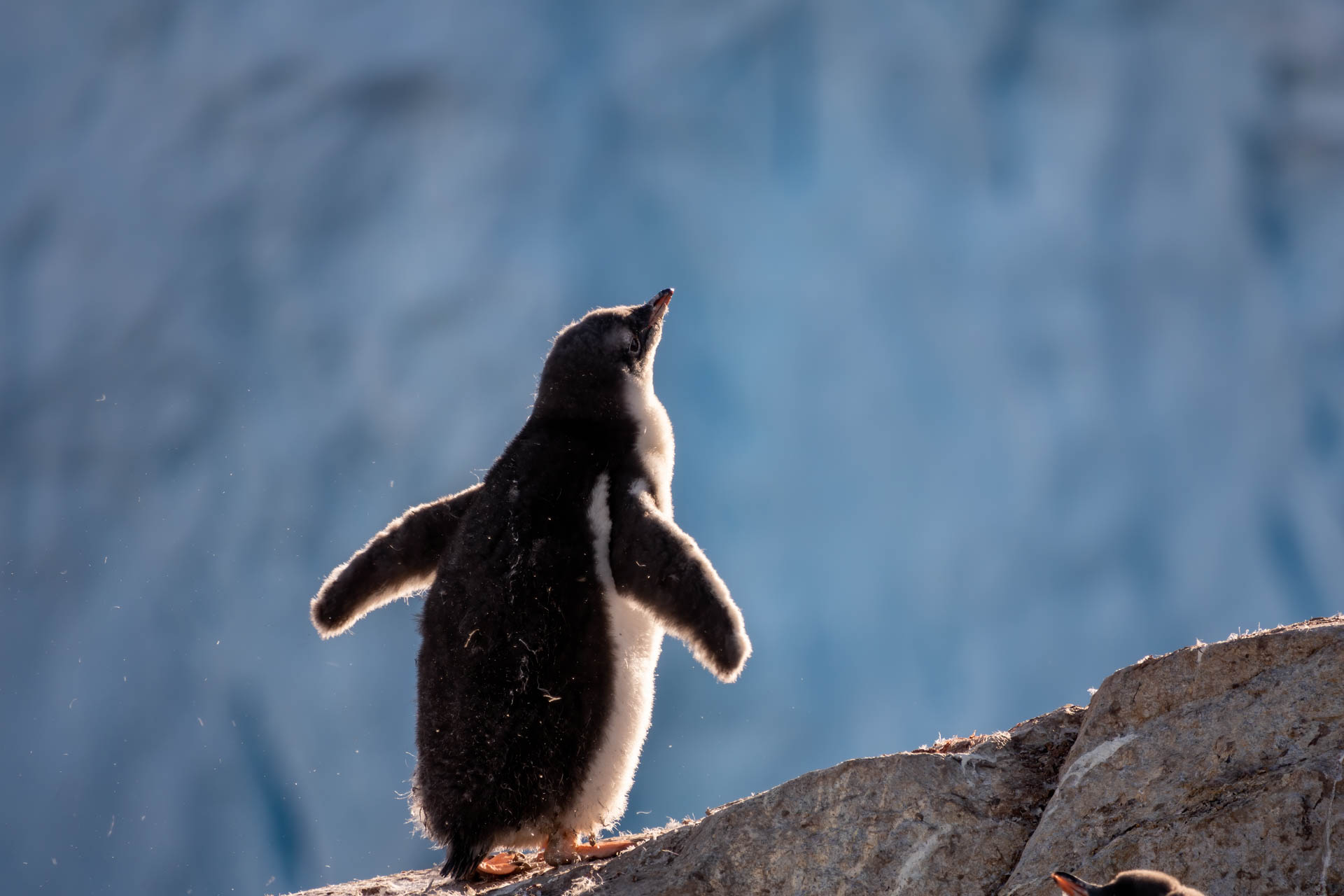
Antarctic exploration and learning can be easily incorporated into everyday immersive activities in the classroom and at home. Storybooks with energetic penguins, charismatic seals, and wise old whales who have travelled long and far can help foster a friendly, caring relationship between children and animals that live in the region. Introducing books about Antarctic explorers can help build a sense of curiosity about the frozen continent. For a hands-on approach, consider fun, interactive crafts like polar dioramas or origami penguins to help kids learn more about Antarctica's landscapes and wildlife.
Pre-Teens (ages 11-13): Connecting Curiosity to Understanding
Once kids have grown into pre-teens, it’s time to bridge the gap between fascination and curiosity to understanding and interacting. Adults can begin introducing the concept of climate change with real-world examples, such as how melting ice affects sea levels and the weather. Polar science and lessons about Antarctic wildlife can all be incorporated in school clubs, class projects, and science fairs, further sparking curiosity in greater detail. Online resources such as HappyWhale and Penguin Watch can be introduced to support active learning, allowing them to gain a more direct understanding of their connection and impact on wildlife. Similarly, getting involved in community activities like Antarctica Ambassadors’ Beach Clean-Up Bingo, neighborhood tree plantings and communal gardening can introduce positive climate impact through the power of teamwork.
For pre-teens, it is important to help them feel capable of understanding complex issues like climate change while empowering them to feel they can make a difference. With the right mix of hands-on activities, knowledge and communication, they can begin to realise how they can impact polar regions and the planet.
Teenagers (ages 14-18): Learning and Understanding Becomes Action
Teenagers are ready to transition to participation and action after years of developing awareness of and emotional connection to Antarctica. Their curiosity and immersive activities have helped shape their personal values, which are beginning to inform their decisions. At this stage, it is crucial we empower teenagers to seek out resources and opportunities to advocate for Antarctica. You can encourage teenagers to join organisations and groups that represent their values and goals, which offer opportunities to connect with other like-minded peers.
It is vital to support and encourage sustainable practices, reminding teenagers how small decisions can help protect Antarctica and the planet. Teenagers can start making personal decisions that have environmental impacts, such as how they commute to school and participate in activities, how much waste they create, and how they use technology, such as generative AI. The IAATO Ambassadorship Challenge Card is a great activity for teenagers to make changes at home to support the world’s most precious place.
By giving teens the resources, support, and motivation, we can help them shape their roles as advocates and stewards of Antarctica.
Antarctica belongs to everyone, including the future generation of stewards. We encourage you to celebrate Antarctica Day with family and take the LEAP to advocate for Antarctica. No matter your age or background, you can be an Antarctic Ambassador and steward of the continent!