Our People
Secretariat
The IAATO Secretariat manages the day-to-day operations of the organisation, supporting members and coordinating activities across the Antarctic tourism industry.

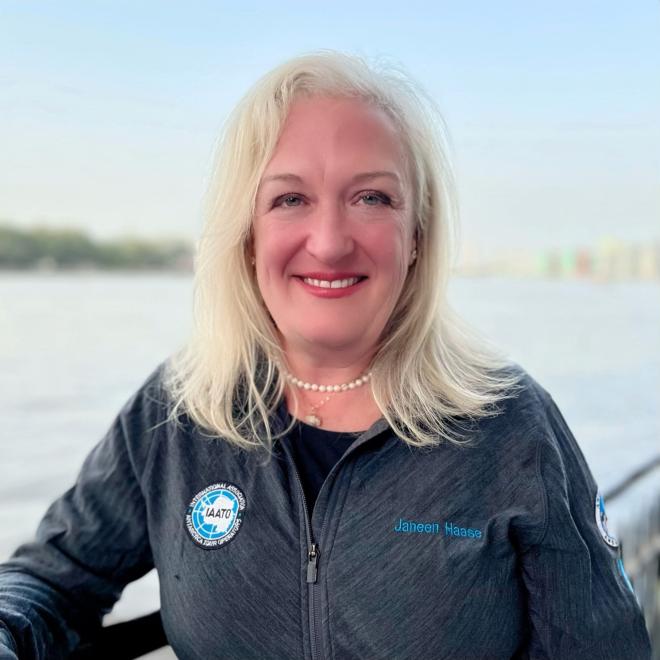
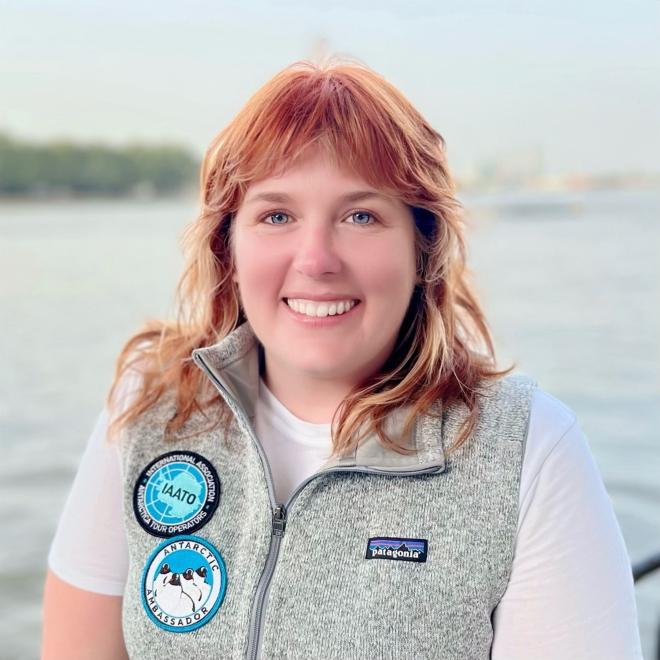
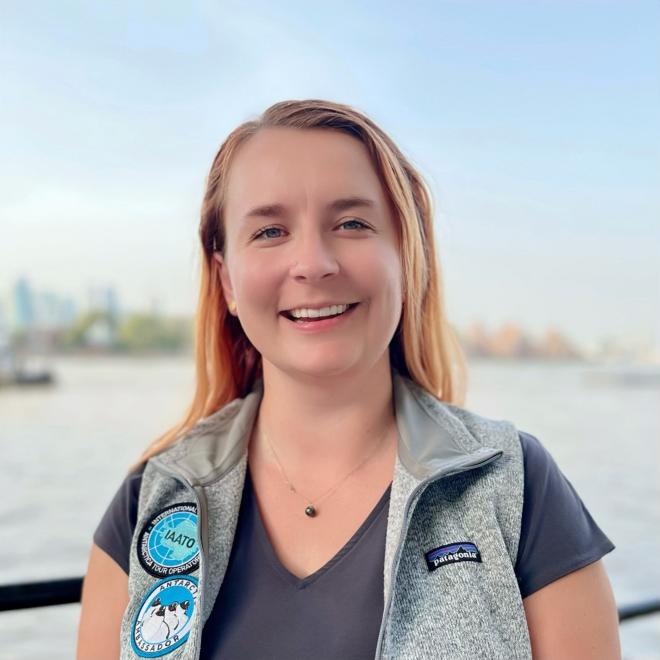
Hayley Collings
Hayley Collings leads IAATO's strategic communications, reputation management, stakeholder engagement and Antarctic Ambassador Program development.
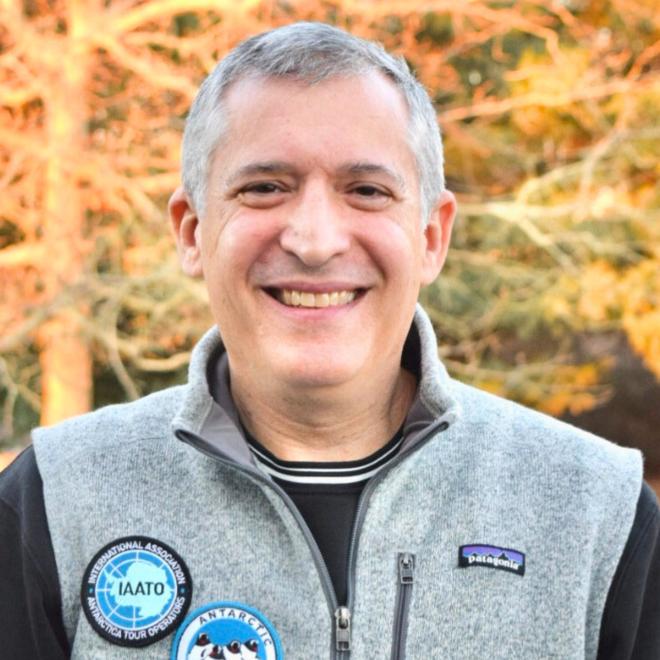
Aaron Pugatch
Arriving at the culmination of work experiences in both the healthcare and hospitality industries, Aaron joined IAATO in 2024.

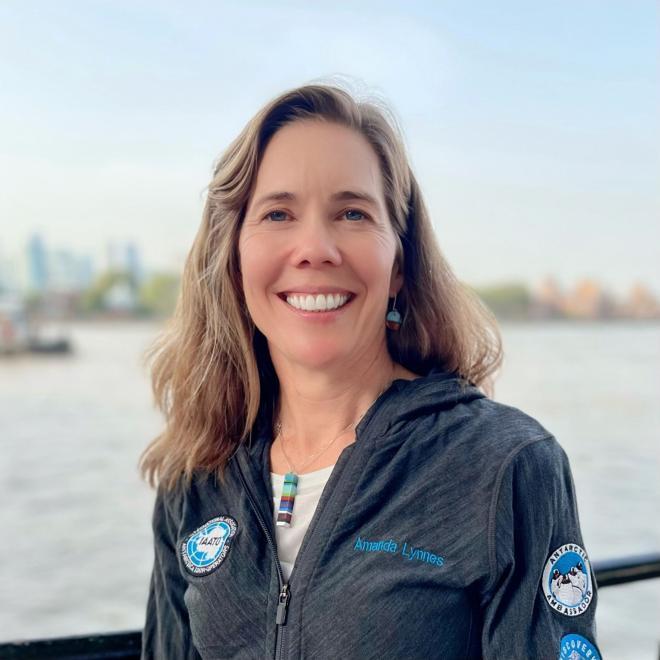
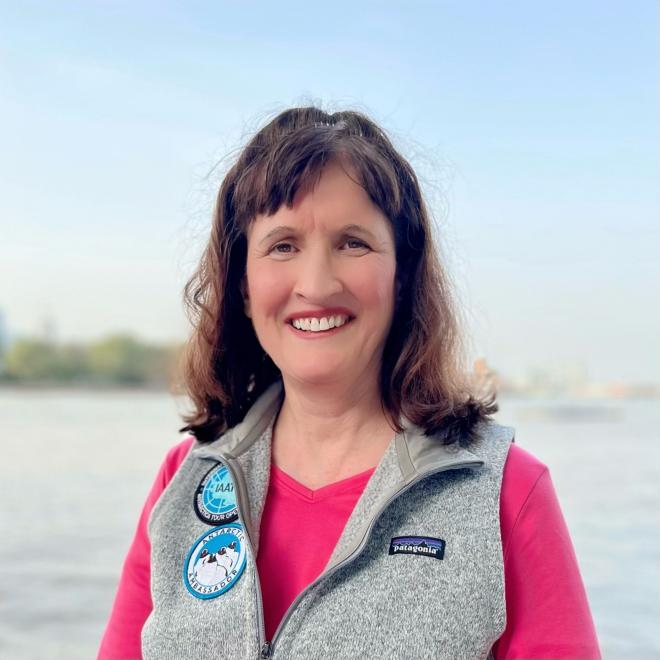
Amanda Lynnes
Amanda's role is to support IAATO in meeting environmental obligations arising from its mission, the Antarctic Treaty System and other international agreements. She joined the Secretariat in

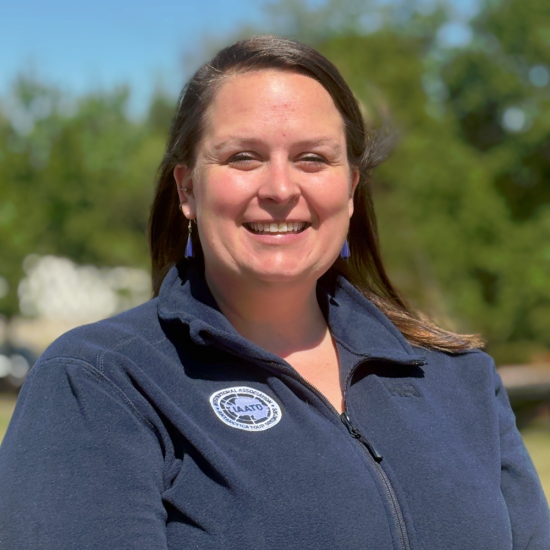

Stella Giangarra
Stella is a graduate of Stony Brook University, School of Marine and Atmospheric Sciences, having completed her Master’s degree in Marine Conservation and Policy.
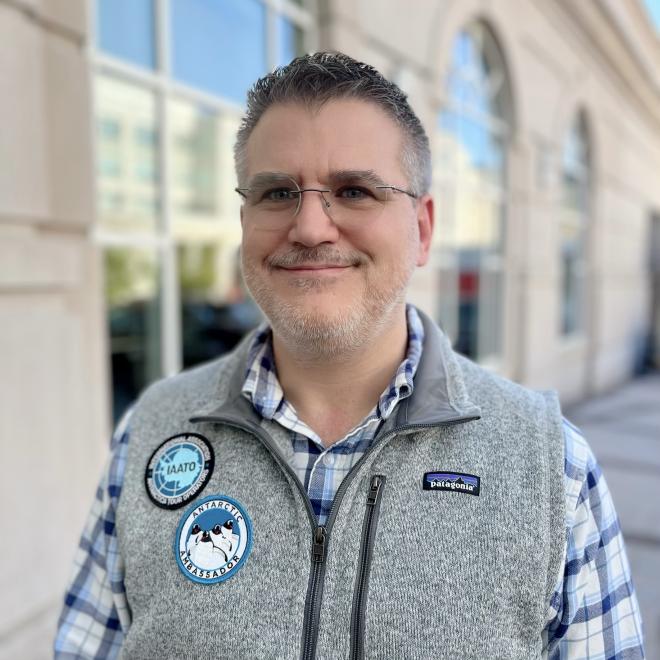

Maureen Lynch
Maureen joined IAATO in 2024 and is responsible for developing and coordinating environmental monitoring programs to inform a strategic approach to site management.




Executive Committee
IAATO's Executive Committee (EC) plays a key role in collaborating with our Executive Director (ED) and, when necessary, the Deputy Executive Director (DED) to establish IAATO’s policy direction and address important issues. The ED is responsible for advancing IAATO's policies and, as needed, overseeing the activities of various IAATO committees. The EC, in turn, sets the priorities that reflect the membership's needs.
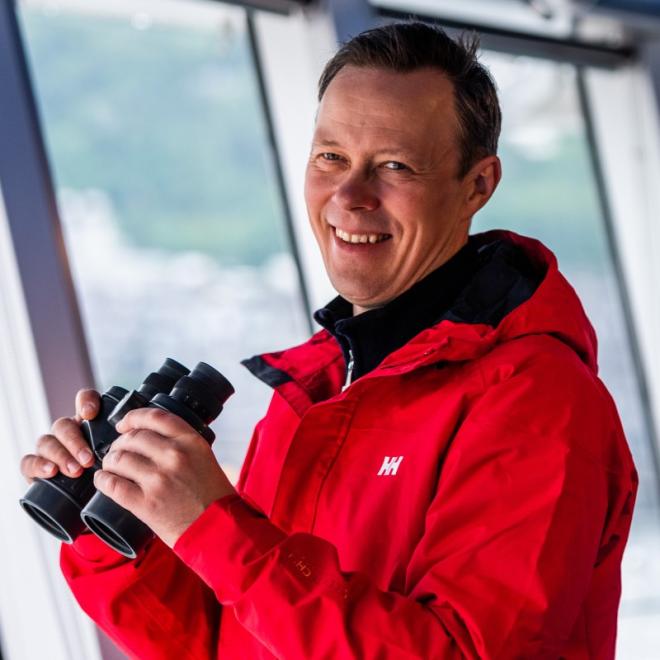
Jørn Henriksen
Jørn, a native of Arctic Norway, developed an early fascination with the great outdoors.

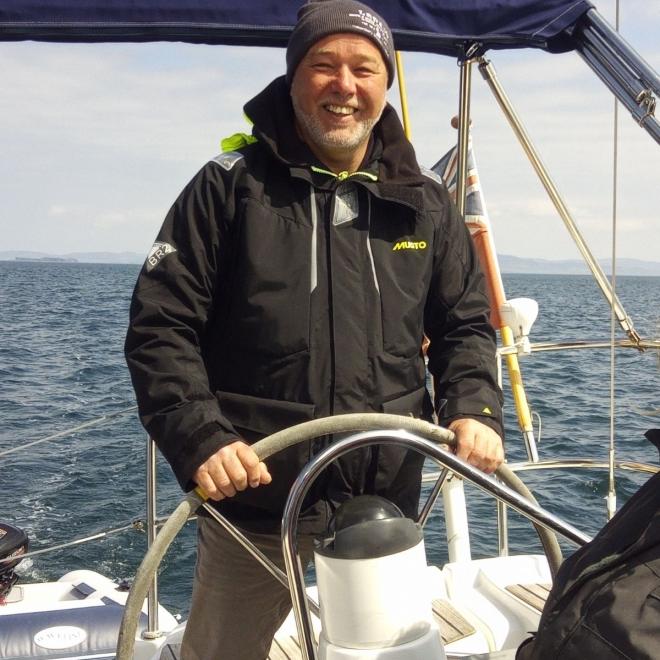
Sibrand Hassing
Sibrand Hassing is Director, Fleet Operations Europe for the Holland America Line (HAL).

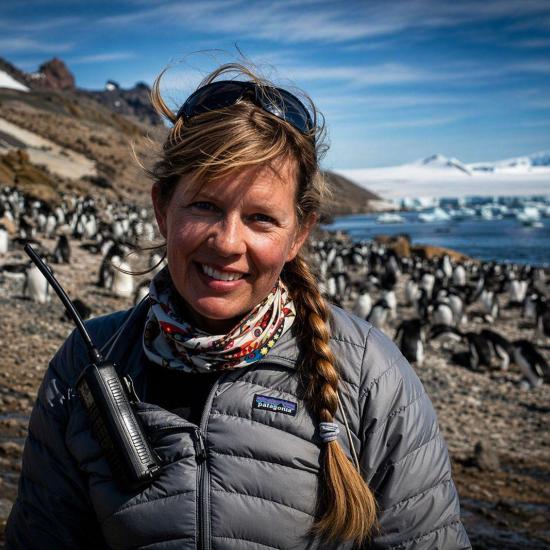
Kara Weller
Kara’s connection to Antarctica began long before her first voyage south in 1993.
Committees
IAATO committees play pivotal roles in the organisation's health and effectiveness. IAATO cannot fulfil its mandate to advocate and promote the practice of safe, environmentally responsible travel to the Antarctic without active, engaged committees.









Working Groups
IAATO Working Groups are typically established temporarily to investigate and resolve specific issues. These issues can be defined and approved by either the Executive Committee or, at the annual meeting, the members in good standing. When the assigned tasks are completed, working groups will be dissolved. Terms of Reference for working groups tend to be task-specific rather than descriptive of the group’s goals and make-up.