Wildlife and Environmental Monitoring
As dedicated Antarctic stewards, IAATO Member Operators contribute to environmental and wildlife monitoring through the association’s programs, partnerships and operations. These initiatives help protect Antarctica’s unique ecosystem while generating valuable data that informs operational decisions and supports the region’s long-term conservation.
Wildlife Monitoring
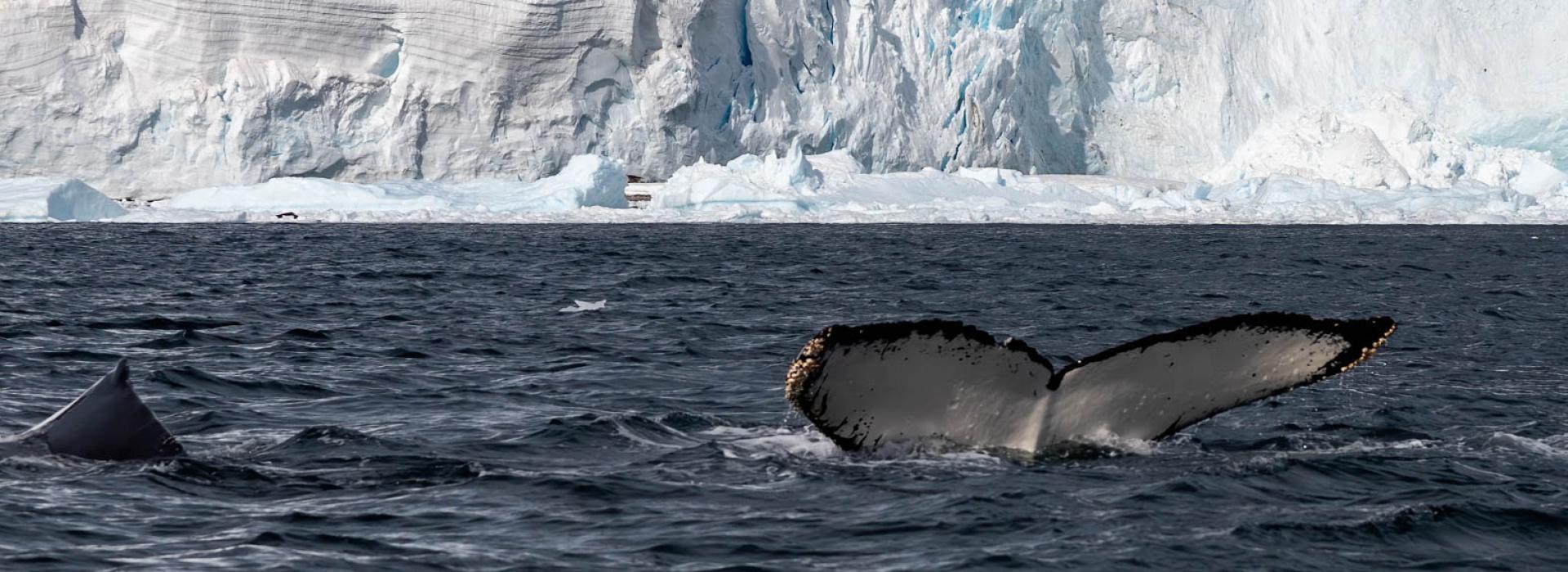
The Voluntary Cetacean and Pinniped Sightings (V-CaPS) program engages field staff aboard IAATO member vessels in documenting whale and seal sightings throughout the Antarctic region. Since its launch in 2022, the program has generated valuable data that has informed IAATO operational safeguards designed to reduce potential impacts on marine mammals, including a network of mandatory slow-down zones and acoustic awareness zones in important whale habitat areas.
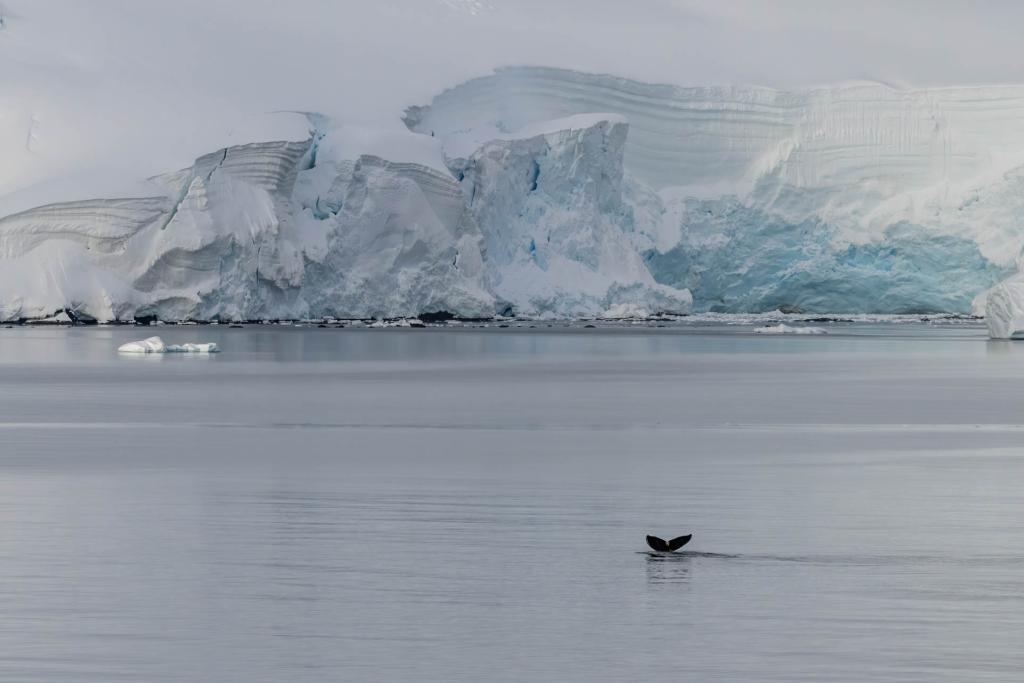
V-CaPS observations are recorded using the OceanWatchers app, contributing to a global marine mammal sightings database available to researchers worldwide. The platform standardises data collection by capturing not only species observations but also the effort required to survey and environmental conditions such as weather and visibility. This additional context improves the scientific value of the dataset, providing a more accurate understanding of Antarctic marine mammal populations and supporting the conservation of critical habitats.


Environmental Monitoring
IAATO’s Site Stewardship Program was established to monitor possible environmental change at frequently visited sites on the Antarctic Peninsula. Adopted by the IAATO membership in 2023, the program reflects IAATO’s proactive approach to self-management and its commitment to ensuring its activities have no more than a minor or transitory impact on the environment.
Each season, IAATO operators are assigned specific sites to monitor, documenting site conditions, wildlife presence, and other environmental observations. Over time, these records create a valuable baseline for understanding possible environmental change, enabling IAATO operators to adapt their practices as needed in response to emerging trends.