On World Oceans Day, IAATO Announces New Geofenced Whale Area Around the South Orkney Islands
On World Oceans Day, the International Association of Antarctica Tour Operators (IAATO) is reaffirming its commitment to protecting the Southern Ocean by announcing the establishment of a new voluntary Geofenced Whale Area around the South Orkney Islands beginning in the 2026–27 Antarctic season.
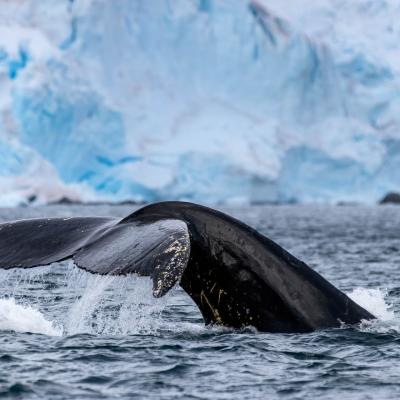
The new operational measure is designed to reduce the risk of whale strikes in an area increasingly recognised as an important habitat for recovering whale populations. IAATO members operating within the designated area will voluntarily observe a 10-knot speed restriction, measured as "Speed Over Ground," between November 1 and May 30. The measure will remain in place for an initial two-year period or until further review by the IAATO Marine Committee.
The South Orkney Islands, a group of islands approximately 370 miles (600km) northeast of the Antarctic Peninsula, are the latest addition to IAATO's growing network of Geofenced Whale Areas, first introduced in 2019 in the Gerlache Strait and Crystal Sound. Since then, IAATO has expanded and refined the program by adding mandatory whale protection areas around the South Shetland Islands and Elephant Island, and by introducing an Acoustic Awareness Zone in the Gullet.
The announcement comes as global attention turns to the importance of healthy oceans and the protection of marine biodiversity.
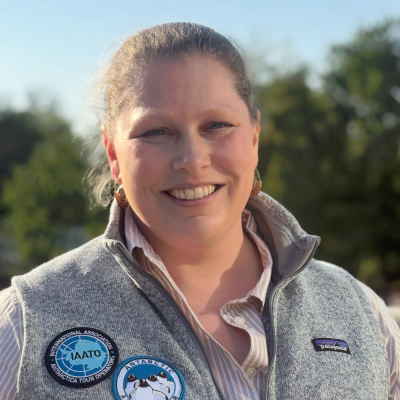
"World Oceans Day is a reminder that protecting marine ecosystems requires both collaboration and action," said Dr Maureen Lynch, IAATO's Science and Monitoring Senior Manager.
"Establishing this new Geofenced Whale Area reflects IAATO members' ongoing commitment to evidence-based operations that help safeguard wildlife while contributing to broader ocean conservation efforts."
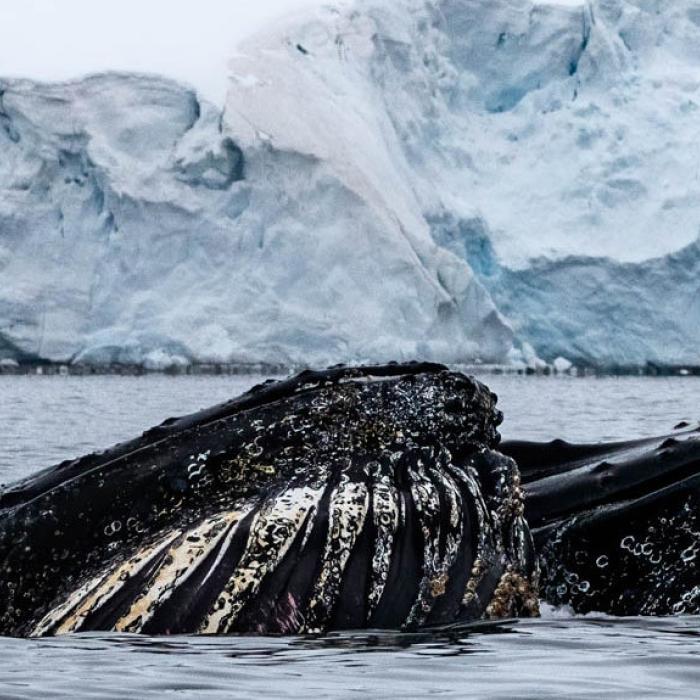
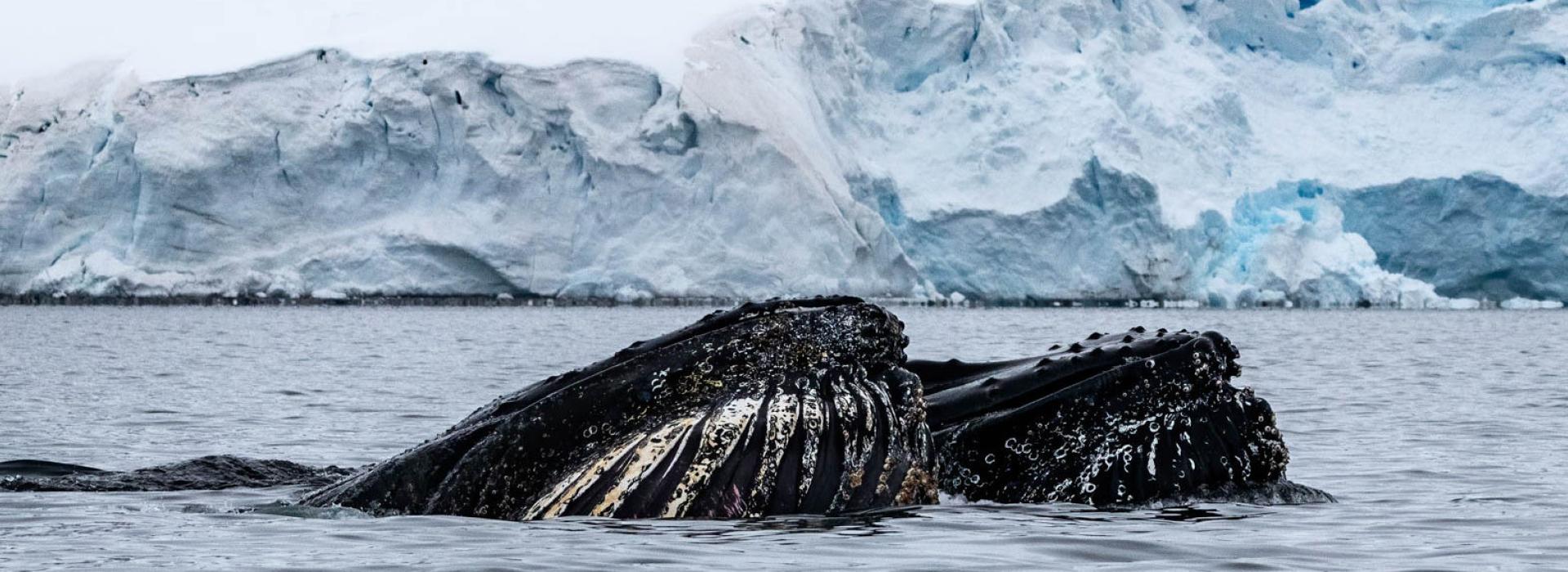
The decision – approved by IAATO members at the association's annual meeting in April – follows increasing scientific evidence demonstrating high whale occurrence in the region. IAATO's Voluntary Cetacean and Pinniped Sightings (V-CaPS) Program has documented 203 whale observations across four Antarctic seasons from vessels operating near the islands, including 82 humpback whales and 76 fin whales, alongside sei whales and killer whales.
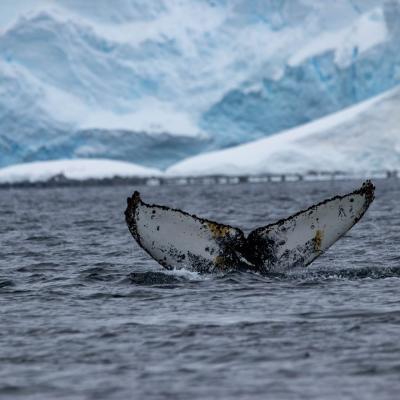
An important driver of this initiative was survey data collected by longtime Antarctic expedition leader and whale scientist Ted Cheeseman and colleagues during a research expedition from February to March 2026. This expedition recorded 1,468 individual whales of six species in the area over an 18-day survey, with large concentrations of humpback and fin whales observed in nearshore waters north of the islands and offshore areas to the south. Southern right whales have also been documented through both dedicated surveys and community science platforms, including Happywhale and iNaturalist.
The findings underscore the ecological significance of the area for multiple whale species and have helped inform efforts to enhance their protection.
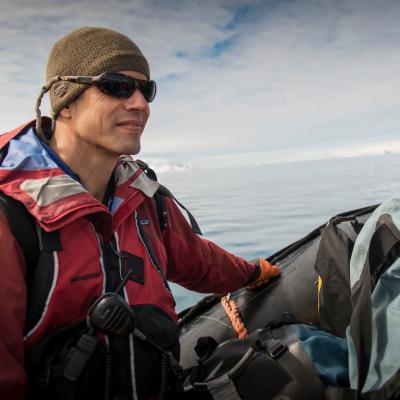
Dr. Cheeseman, who is the founder of Happywhale, said: "The South Orkney Islands are like an oceanic Serengeti for whales, an under-appreciated gem.
"I am deeply grateful for IAATO's forward-looking action to keep whales safe by managing vessel speeds in these waters, a fantastic act of stewardship of the Antarctic environment."
IAATO's commitment to whale conservation is reflected in its development of monitoring and data-collection initiatives. Launched in 2022, IAATO's V-CaPS Program was developed to better understand marine mammal distribution in Antarctic waters and to monitor the effectiveness of whale protection measures. Through IAATO's partnership with marine conservation charity ORCA, members now use ORCA's OceanWatchers survey platform to collect standardised marine mammal observations during Antarctic voyages.
Combining these data with contributions from partners such as Happywhale is helping researchers build a clearer picture of whale recovery and habitat use throughout the Southern Ocean. Data gathered around Elephant Island, for example, has consistently documented large numbers of fin whales, reinforcing the value of vessel slow-down measures in areas of high whale density.
Since its founding in 1991, IAATO has worked within the Antarctic Treaty System to promote safe and environmentally responsible private-sector travel to Antarctica. The addition of the voluntary South Orkney Islands Geofenced Whale Area reflects the association's continued focus on science-based operational practices that support the long-term protection of Antarctic wildlife and the Southern Ocean ecosystem.